What Is Grid Analytics? A Utility's Guide to Smarter Decision-Making
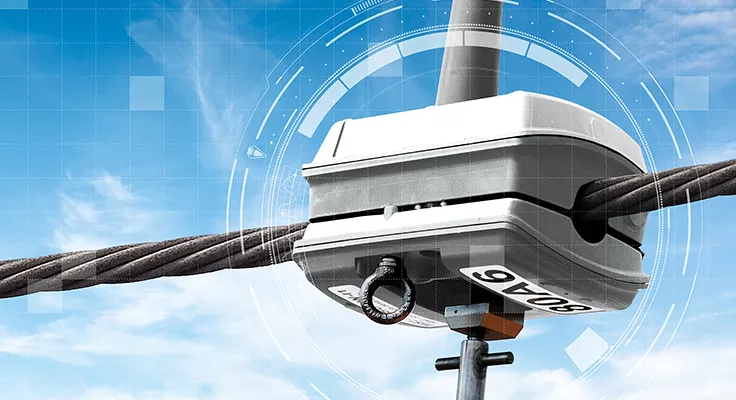
Modern power grids face unprecedented challenges. Ageing infrastructure, extreme weather events, and increasing demand for reliable electricity supply create a perfect storm for utility operators. Grid analytics proves itself to be the intelligent solution that transforms how utilities monitor, manage, and maintain their electrical networks.
Grid analytics is representative of a shift from reactive maintenance to proactive grid management. By deploying smart sensors across overhead lines and underground cables, utilities gain real-time visibility into network health, enabling faster fault detection and smarter decision-making.
What Is Grid Analytics?
Grid analytics is an advanced monitoring system that uses intelligent sensors to capture power waveforms and analyse electrical disturbances across distribution networks. These sophisticated systems identify fault locations, predict equipment failures, and provide actionable insights to improve grid reliability.
Unlike traditional monitoring approaches that rely on periodic inspections or basic fault indicators, grid analytics delivers continuous, comprehensive network surveillance. Smart sensors installed on medium-voltage overhead lines and underground cables collect high-resolution data about voltage, current, and power quality parameters.
The collected data flows through secure communication networks to centralised analytics platforms. Advanced algorithms process this information to identify anomalies, locate faults, and generate predictive maintenance recommendations. The result is a complete picture of network health that enables proactive intervention before problems escalate.
What Are the Main Components of Grid Analytics Systems?
Smart Sensors
The foundation of any grid analytics solution lies in its sensor technology. Modern smart grid sensors like the MS5000 and MS5200 provide wireless monitoring capabilities for overhead distribution lines. These devices measure electrical parameters continuously, detecting everything from high-impedance faults to vegetation encroachment.
Smart sensors must withstand harsh environmental conditions whilst maintaining precise measurement accuracy. They typically feature:
- Wireless communication capabilities
- Self-powered operation
- Weather-resistant housing
- Advanced signal processing
- Multi-parameter monitoring
Communication Infrastructure
Reliable data transmission forms the backbone of effective grid analytics. Gateway devices and routers ensure seamless connectivity between field sensors and central monitoring systems. The MS3010 wireless gateway, for example, integrates multiple sensor inputs using IPv6 protocols for secure, scalable communication.
Communication networks must handle:
- Real-time data streaming
- Encrypted data transmission
- Network redundancy
- Remote device management
- Scalable architecture
Analytics Software
Sophisticated software platforms transform raw sensor data into actionable intelligence. These systems employ machine learning algorithms, statistical analysis, and predictive modelling to identify patterns and predict failures.
Key software capabilities include:
- Fault location algorithms
- Predictive analytics
- Dashboard visualisation
- Alert management
- Historical trend analysis
Benefits of Grid Analytics for Utilities
Enhanced Reliability and Performance
Grid analytics dramatically improves network reliability by enabling early fault detection. Rather than waiting for customer complaints or routine inspections to identify problems, utilities receive immediate alerts when anomalies occur. This proactive approach reduces outage duration and frequency, directly improving SAIDI (System Average Interruption Duration Index) and SAIFI (System Average Interruption Frequency Index) metrics.
The technology excels at detecting elusive faults that traditional protection systems miss. High-impedance earth faults, intermittent conductor problems, and vegetation contact issues become visible through advanced waveform analysis. This visibility enables utilities to address problems before they cause widespread outages or safety hazards.
Operational Cost Reduction
Smart grid analytics reduces operational expenses through optimised resource allocation. Instead of conducting routine patrols across entire networks, maintenance teams can focus on specific problem areas identified by analytics algorithms. This targeted approach cuts unnecessary travel time and labour costs.
The technology also minimises truck rolls by providing accurate fault location information. When outages occur, repair crews arrive at the correct location with appropriate equipment, reducing restoration time and associated costs. Emergency response becomes more efficient, and customer satisfaction improves.
Improved Safety Management
Personnel safety receives significant enhancement through grid analytics implementation. By identifying dangerous conditions like broken conductors, arcing faults, or equipment failures, the system helps prevent accidents before they occur. Field crews receive advance warning of hazardous situations, enabling proper safety precautions.
The technology reduces the need for manual inspections in dangerous locations. Remote monitoring capabilities mean fewer personnel need to work at height or in hazardous terrain. This proactive safety approach protects both utility workers and the general public.
Predictive Maintenance Capabilities
Grid analytics enables the transition from time-based maintenance to condition-based maintenance. Instead of replacing equipment according to predetermined schedules, utilities can make decisions based on actual asset condition. This approach extends equipment life whilst reducing maintenance costs.
Predictive algorithms identify equipment degradation patterns before failures occur. This early warning system allows maintenance teams to schedule repairs during planned outages rather than responding to emergency situations. The result is improved asset utilisation and reduced maintenance expenditure.
Applications Across Different Network Types
Overhead Distribution Lines
Overhead lines present unique monitoring challenges due to their exposure to weather, vegetation, and environmental hazards. Grid analytics addresses these challenges through comprehensive fault detection and location capabilities.
The technology excels at identifying:
- Conductor breaks
- Vegetation encroachment
- Insulator contamination
- Lightning strike damage
- Underground Cable Networks
Underground cables require different monitoring approaches due to their enclosed nature and specific failure modes. Grid analytics provides valuable insights into cable health through continuous monitoring of electrical parameters.
The primary applications for underground cable networks is incipient fault detection including in particular pre-fault detection in PILC cables and terminations.
- Industrial Networks
Large industrial facilities benefit from grid analytics through improved power quality monitoring and equipment protection. These applications require high-precision measurement and rapid response capabilities.
Industrial grid analytics focuses on:
- Power quality analysis
- Harmonic distortion monitoring
- Load balancing optimisation
- Real data for network planning
- Equipment protection coordination
- Energy efficiency improvement
Implementation Considerations for Grid Analytics
Network Assessment and Planning
Successful grid analytics implementation begins with comprehensive network assessment. Utilities must evaluate existing infrastructure, identify critical monitoring points, and develop deployment strategies that maximise value whilst minimising disruption.
Technology Selection
Choosing appropriate grid analytics technology requires careful evaluation of technical capabilities, vendor support, and long-term viability. Utilities must balance performance requirements with cost considerations and integration complexity.
Integration with Existing Systems
Grid analytics solutions must integrate seamlessly with existing utility systems including SCADA, DMS, and asset management platforms. This integration ensures that analytics insights become part of routine operational workflows.
Choosing the Right Grid Analytics Solution
Selecting an appropriate grid analytics solution requires careful evaluation of technical capabilities, vendor support, and long-term strategic alignment. Utilities must consider their specific network characteristics, operational requirements, and future growth plans.
Megger Grid Analytics (MGA) represents a comprehensive solution that addresses these diverse requirements. With proven sensor technology, robust communication infrastructure, and advanced analytics capabilities, MGA enables utilities to transform their grid management approach.
The system's modular design allows for phased implementation, enabling utilities to start with critical network segments and expand coverage over time. This flexibility ensures that investments align with budget constraints whilst delivering immediate value.
Want to learn more about MGA? - we're here to help!


