How Predictive Maintenance Is Changing Grid Management in Kenya
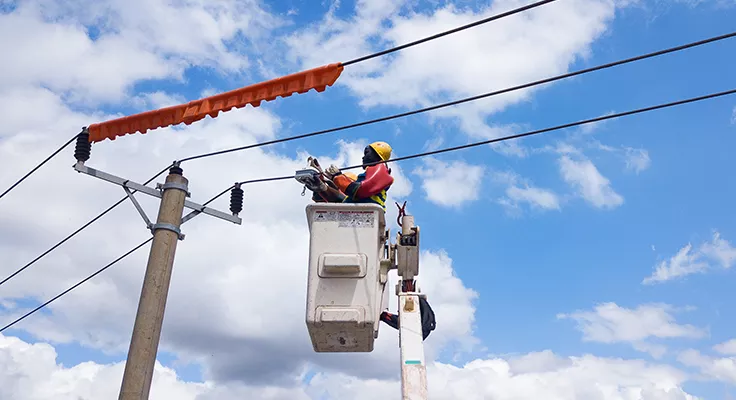
Kenya's electricity grid has long struggled with manual fault detection processes that could take days to resolve, leaving customers without power for extended periods. Today, predictive maintenance technology is revolutionising how utilities manage their distribution networks, delivering measurable improvements in reliability and customer satisfaction.
The transformation represents a shift from reactive maintenance to proactive grid management, where data-driven insights enable utilities to identify and address potential issues before they cascade into widespread outages.
The Challenge of Manual Grid Management
Kenya's distribution network spans diverse terrains, from dense forests to arid deserts, creating unique challenges for fault detection and maintenance. Traditional approaches relied heavily on manual sectionalising and guesswork, resulting in prolonged outages and reduced customer confidence.
The manual process presented several critical limitations:
Extended Detection Times: Locating faults required systematic sectionalising of lines, often taking days to pinpoint the exact location of network failures.
Hidden Fault Vulnerabilities: Non-visible issues remained undetected until they developed into full system failures, compromising overall network reliability.
Resource Intensive Operations: Manual fault-finding required significant human resources and time, reducing operational efficiency across the distribution network.
Customer Impact: Extended outages directly affected customer satisfaction and undermined public trust in grid reliability.
Predictive Maintenance: A Data-Driven Solution
Predictive maintenance leverages advanced sensor technology and analytics to transform grid management from reactive to proactive. The MS5000 grid analytics system deployed across Kenya's 11kV and 33kV lines was the backbone of this technological evolution.
Real-Time Monitoring Capabilities
Modern predictive maintenance systems provide continuous visibility into grid performance through:
- Continuous Data Collection: Sensors monitor voltage, current, and power quality parameters around the clock
- Anomaly Detection: Advanced algorithms identify deviations from normal operating patterns
- Fault Localisation: Precise location identification reduces response times significantly
Predictive Analytics Integration
The system's analytical capabilities enable utilities to:
- Identify Patterns: Historical data analysis reveals recurring issues and potential failure points
- Schedule Maintenance: Proactive interventions prevent minor issues from developing into major outages
- Optimise Resources: Targeted maintenance activities improve resource allocation and operational efficiency
Measurable Impact on Grid Performance
The deployment of predictive maintenance technology in Kenya demonstrates quantifiable improvements in key performance metrics:
Reduced Response Times: Fault detection and resolution times have decreased substantially, enabling faster restoration of power supply.
Improved Reliability Metrics: Kenya Power aims to reduce its System Average Interruption Duration Index (SAIDI) from 100 hours to 50 hours through enhanced monitoring capabilities.
Enhanced Customer Experience: Shorter outage durations directly translate to improved customer satisfaction and trust in grid reliability.
Operational Efficiency: Automated monitoring systems reduce the manual workload on technical teams, allowing them to focus on strategic improvements.
Training and Knowledge Transfer
Successful implementation requires comprehensive training programmes that empower local technical teams to leverage the full potential of predictive maintenance systems. The focus extends beyond basic operation to include data interpretation and proactive maintenance planning.
Technical teams receive training in:
- System Operation: Understanding sensor functionality and data collection processes
- Data Analysis: Interpreting analytical outputs to identify potential issues
- Preventive Actions: Implementing maintenance strategies based on predictive insights
Strategic Benefits for Grid Modernisation
Predictive maintenance serves as a foundation for broader grid modernisation initiatives:
Infrastructure Resilience: Enhanced monitoring capabilities improve the grid's ability to withstand various operational challenges.
Regulatory Compliance: Improved reliability metrics help utilities meet regulatory requirements for outage frequency and duration.
Scalability: Successful implementation creates a framework for expanding monitoring coverage across the entire distribution network.
Regional Leadership: Advanced grid management positions Kenya as a leader in smart grid innovation within the region.
Building a Sustainable Future
The successful integration of predictive maintenance technology in Kenya demonstrates the potential for transforming grid management across Africa. The combination of advanced sensor technology, comprehensive training, and ongoing support creates a sustainable foundation for long-term improvements in grid reliability.
Ready to explore how predictive maintenance can transform your grid management strategy? Download the Amotech Africa case study to discover the complete implementation journey and measurable results achieved through advanced monitoring technology.


