High-Voltage (HV) Motor Maintenance Strategies
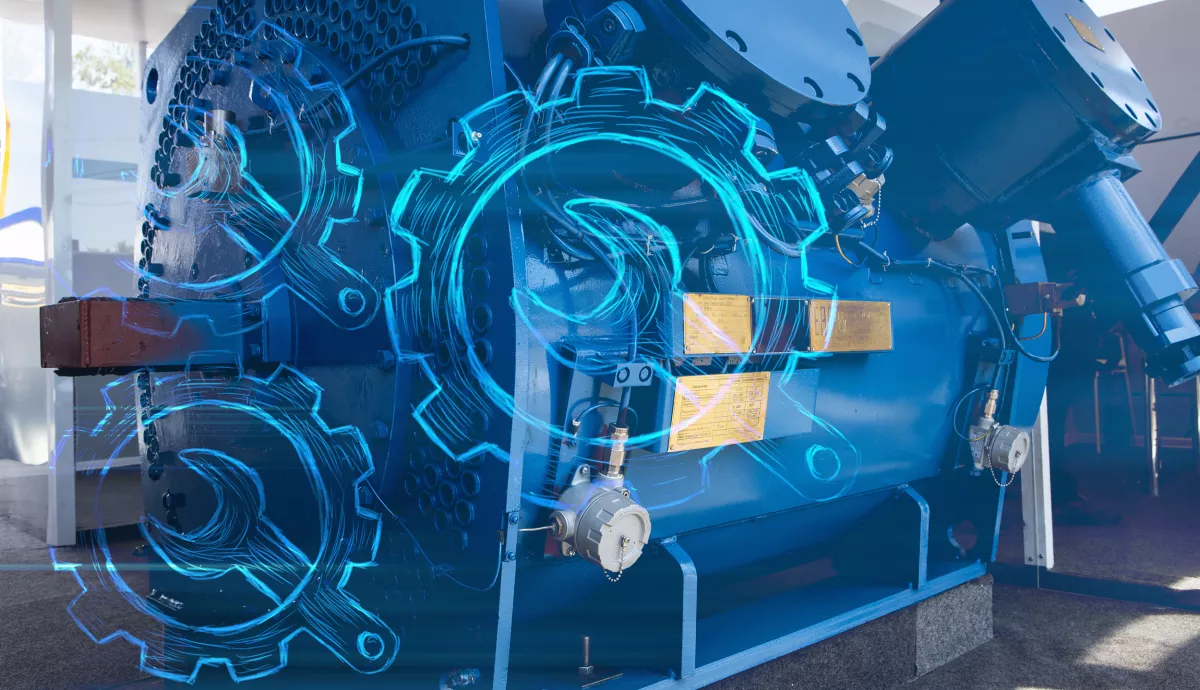
High-voltage motors power your most critical industrial processes. When they fail, production stops. Revenue drops. Safety risks escalate.
Your maintenance strategy determines whether you control these outcomes or react to them. The right approach transforms your motor from a potential liability into a strategic asset that delivers predictable performance, controlled costs, and operational confidence.
What Are the Five Main Types of Motor Maintenance Strategies?
Maintenance strategies span a spectrum from basic failure response to advanced predictive analytics:
Reactive Maintenance: You repair equipment only after breakdowns occur. This approach offers low upfront costs but creates expensive long-term consequences.
Preventive Maintenance (PM): You schedule maintenance based on time intervals or usage metrics. This extends equipment lifespan but may waste resources on premature interventions.
Condition-Based Maintenance (CBM): You deploy sensors to monitor equipment health continuously. Maintenance occurs when early deterioration signs appear, requiring technology investment.
Predictive Maintenance (PdM): You analyse data trends and apply machine learning to forecast failures. This reduces downtime but demands extensive data capabilities.
Prescriptive Maintenance (PxM): You leverage AI-driven predictions with specific action recommendations. This approach requires high initial investment but delivers superior efficiency gains.
How Do CBM, PdM, and PxM Differ in Practice?
Understanding these distinctions helps you select the optimal approach for your operations:
Data Usage:
- CBM monitors equipment using predefined thresholds (temperature exceeding limits triggers maintenance actions)
- PdM applies trend analysis and machine learning to predict future failures
- PxM leverages AI to recommend specific preventive actions based on predictive insights
Actionability:
- CBM alerts you when conditions reach predetermined thresholds
- PdM estimates failure timing, enabling planned interventions
- PxM provides detailed instructions to prevent or address potential failures
Complexity and Investment:
- CBM requires moderate investment compared to PdM and PxM
- PxM demands the highest investment due to advanced technology requirements
Which Maintenance Strategy Works Best for Different Motor Applications?
Your choice depends on the specific application and operational requirements:
How Should You Maintain Emergency Backup Motors?
Application: Emergency backup motor in water treatment facilities
Strategy: Reactive maintenance performs repairs only after failures occur
Implementation: You maintain the motor when it fails to start during emergency activation
Benefits: Low upfront costs and simple management requirements
Drawbacks: High downtime risk during emergencies and expensive failure repairs
What Maintenance Approach Suits Mining Conveyor Motors?
Application: Motor powering conveyor belt systems transporting mined materials
Strategy: Preventive maintenance follows scheduled intervals regardless of current condition
Implementation: You conduct monthly inspections including lubrication checks, electrical insulation tests, and mechanical alignment
Benefits: Reduces unexpected breakdowns and extends equipment lifespan
Drawbacks: May create unnecessary maintenance activities and scheduled service interruptions
How Do You Optimise Petrochemical Plant Motor Maintenance?
Application: Motor driving critical pumps in continuous petrochemical production
Strategy: Condition-based maintenance relies on real-time monitoring data
Implementation: Sensors monitor partial discharge, temperature, vibration, and electrical current. You schedule maintenance only when parameters indicate potential issues
Benefits: Prevents unnecessary maintenance and triggers interventions only when required
Drawbacks: Requires monitoring system investment and skilled technical personnel
What Strategy Maximises Wind Turbine Motor Reliability?
Application: Motor providing rotational force for electricity generation in wind farms
Strategy: Predictive maintenance uses data analytics and predictive modelling to forecast failures
Implementation: Online partial discharge monitoring, vibration analysis, and machine learning algorithms predict bearing wear, allowing you to schedule maintenance before failure
Benefits: Minimises unexpected downtime and reduces long-term maintenance costs
Drawbacks: High initial investment and data analysis expertise requirements
How Do You Maintain High-Speed Train Motors?
Application: Motor powering traction systems requiring continuous operation
Strategy: Prescriptive maintenance provides actionable recommendations using advanced analytics
Implementation: Data-driven insights suggest load adjustments during peak periods and recommend specific maintenance activities to prevent overheating
Benefits: Optimises asset utilisation and enhances operational reliability through targeted solutions
Drawbacks: Significant technology investment and specialised expertise requirements
What Are the Complete Pros and Cons of Each Strategy?
|
Strategy |
Advantages |
Disadvantages |
Application Example |
|
Reactive Maintenance |
Low initial cost; simple implementation |
High downtime; expensive emergency repairs |
Backup motor in water treatment plant |
|
Preventive Maintenance |
Reduces unexpected failures; extends motor life |
Potentially unnecessary maintenance; scheduled downtime |
Conveyor belt motor in mining operation |
|
Condition-Based Maintenance |
Timely intervention; cost-effective long-term |
Requires monitoring equipment and skilled staff |
Petrochemical plant pump motor |
|
Predictive Maintenance |
Minimises unplanned downtime; reduces repair costs |
High setup costs; complex data analysis |
Wind turbine generator motor |
|
Prescriptive Maintenance |
Provides data-driven solutions; improves reliability |
High technology investment; complex implementation |
High-speed train traction motor |
How Do Maintenance Strategy Costs Compare?
|
Strategy |
Initial Cost |
Ongoing Cost |
Long-Term Savings |
Application Example |
|
Reactive Maintenance |
Low |
High |
Low |
Emergency repairs for backup motors |
|
Preventive Maintenance |
Moderate |
Moderate |
Moderate |
Scheduled maintenance for mining conveyor motors |
|
Condition-Based Maintenance |
High |
Moderate |
High |
Continuous monitoring in petrochemical plants |
|
Predictive Maintenance |
High |
Low |
High |
Predictive analysis in wind farm motors |
|
Prescriptive Maintenance |
Very High |
Moderate |
Very High |
Data-driven maintenance in high-speed trains |
When Should You Choose Each Maintenance Strategy?
|
Strategy |
Ideal Use Case |
Example |
|
Reactive Maintenance |
Low-usage equipment where downtime remains acceptable |
Backup motor in emergency systems |
|
Preventive Maintenance |
Equipment with predictable usage and wear patterns |
Conveyor belt motor in mining operations |
|
Condition-Based Maintenance |
High-impact systems with measurable conditions |
Critical motor in petrochemical plants |
|
Predictive Maintenance |
High-value assets where failure prevention proves crucial |
Wind turbine motors in renewable energy plants |
|
Prescriptive Maintenance |
Mission-critical systems requiring optimisation |
Traction motors in high-speed train networks |
Conclusion
Your high-voltage motor maintenance strategy directly impacts operational reliability, cost efficiency, and asset longevity. While reactive maintenance may suit seldom-used backup motors, critical systems in high-speed trains or petrochemical plants demand advanced approaches like predictive or prescriptive maintenance.
Success depends on matching strategy to application based on operational criticality, environmental factors, cost considerations, and desired equipment lifespan. The right approach delivers improved reliability, significant cost savings, and optimal motor performance across your operations.
Ready to transform your motor maintenance strategy?
Discover how Megger's comprehensive monitoring solutions can help you implement condition-based, predictive, and prescriptive maintenance approaches that protect your critical assets and optimise operational performance.


