Why a Unified Approach to OEM Component Monitoring Is Non-Negotiable
Unplanned downtime is an expensive problem. For industrial operations, the cost of unexpected machinery failures often goes beyond just simple repairs. It impacts production schedules, delays deliverables, and ultimately hurts the bottom line.
As industries move toward Industry 4.0, the reliance on disparate monitoring tools often creates more noise than clarity. A fragmented approach leaves maintenance teams drowning in data without actionable insights.
The solution lies in unification. A comprehensive strategy for condition monitoring services transforms how organisations manage asset health.
By integrating hardware, software, and human expertise into a single ecosystem, businesses can move from reactive firefighting to strategic reliability.
Is Your Maintenance Strategy Future-Proof?
Only a unified approach like Megger Industrial Reliability can enable a truly long-term maintenance strategy, giving you complete control over your operations.
What Are the Risks of Fragmented Monitoring?
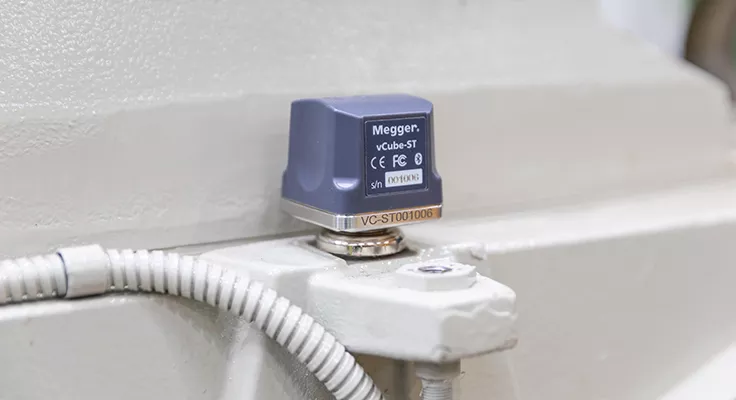
Many facilities rely on non-unified solutions. They might use a remote vibration sensor from one vendor, vibration analysis software from another, and separate condition monitoring systems for electrical assets. This fragmentation creates significant blind spots.
When systems don’t talk to each other, data remains in silos. A vibration issue might be flagged in one system, while a fault in the same motor goes unnoticed in another.
This lack of correlation often leads to misdiagnosis or missed warning signs. Without a unified view, maintenance teams waste valuable time cross-referencing platforms or interpreting conflicting alerts.
This complexity increases the risk of human error and allows critical faults to develop unchecked.
How Does a Unified System Improve Predictive Maintenance?
A unified approach brings all machine health monitoring data under one roof. It integrates different technologies, such as vibration monitoring, electrical signature analysis, oil and lubricant analysis and temperature tracking, into a seamless platform.
This integration provides a comprehensive picture of asset health. For example, combining electrical and mechanical data often reveals faults that single-method monitoring misses.
Megger Industrial Reliability utilises this strategy by merging both wired and wireless condition monitoring with expert analysis. This ensures that every potential failure mode is considered.
When data flows into a central hub, advanced analytics can identify patterns more effectively. This allows for predictive maintenance strategies that anticipate failures long before they occur. Teams receive validated insights rather than raw data, allowing them to prioritise maintenance tasks based on actual risk.
Why Is Expert Validation Critical?
Automated alerts are useful, but they are rarely enough. A common pitfall of standalone condition monitoring systems is alarm fatigue. Sensors generate thousands of alerts, and without context, it is difficult to know which ones require immediate attention.
A unified solution often incorporates a layer of expert validation. This might involve AI tools acting as a virtual engineer to filter routine data, supported by human experts for complex diagnostics and vibration analysis interpretation.
This Co-Engineer™model ensures that maintenance teams only receive verified, actionable recommendations. It bridges the skills gap that many industrial sectors face today.
Instead of hiring expensive specialists to interpret vibration monitoring services data, companies can rely on an integrated reliability partner to provide that expertise on demand.
What Are the Benefits of a Turnkey Solution?
Implementing a unified system eliminates the headaches of integration. A turnkey solution means hardware, software, and reliability services are designed to work together from day one. There is no need to manage multiple vendor contracts or troubleshoot compatibility issues between a wireless vibration monitor and a third-party dashboard.
This streamlined approach offers clear accountability. If an issue arises, there is one point of contact. Security is also enhanced, as data flows through a single, secure architecture rather than multiple vulnerable connection points.
Choosing a unified partner like Megger Industrial Reliability allows businesses to scale their reliability programs efficiently. Whether monitoring a single site or an entire enterprise, the infrastructure grows with the operation.
This scalability ensures that wired and wireless vibration monitoring and other diagnostic tools continue to deliver value as production demands increase.
Is Your Maintenance Strategy Future-Proof?
Industry is evolving. Facilities that cling to outdated, fragmented monitoring methods will struggle to compete. A unified approach offers the agility needed to adapt to new challenges. It maximises uptime, protects high-value assets, and optimises maintenance budgets.
Want to gain full control over your operations? Contact Megger Industrial Reliability today to chat to one of our experts.


