Why Should You Prioritise Electrical Testing in Hydroelectric Plants?
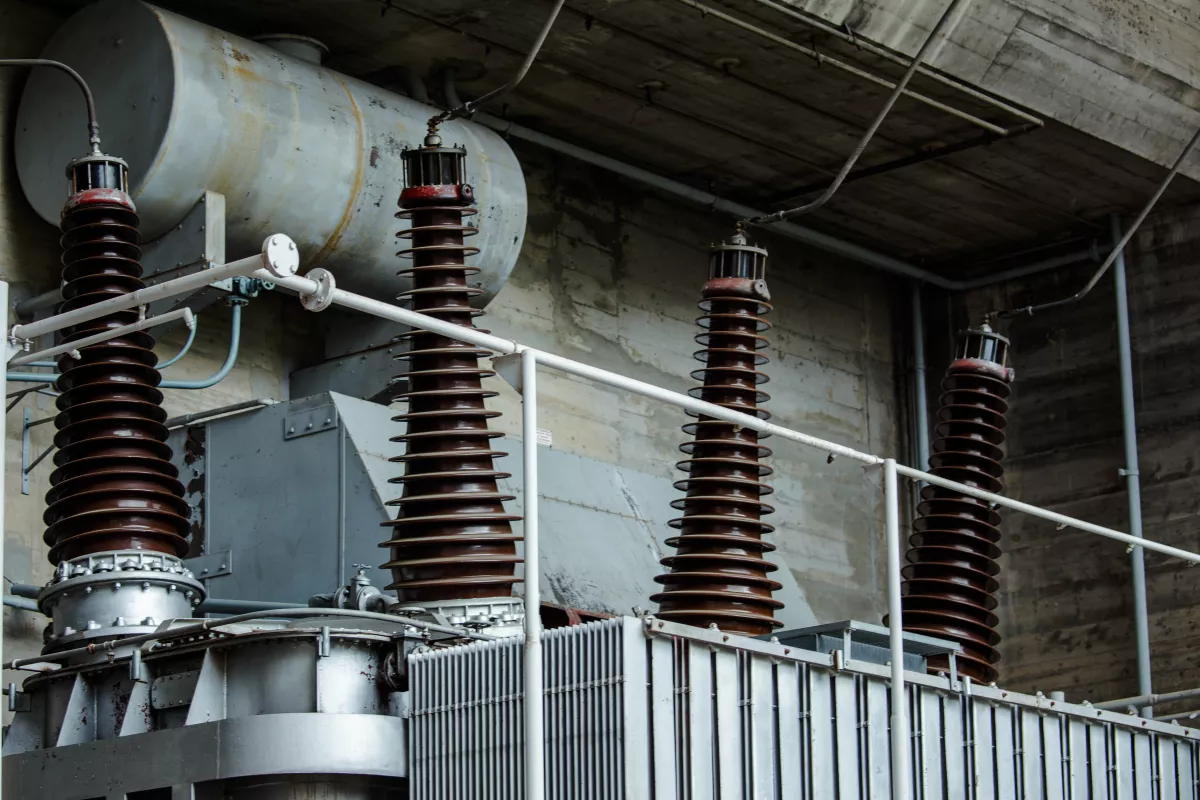
Hydroelectric plants generate approximately 15% of global electricity, making them a very popular piece of renewable energy infrastructure. Yet, many facility managers underestimate the critical role that comprehensive electrical testing plays in maintaining these complex systems.
With components ranging from massive generators to intricate control systems, hydroelectric plants require rigorous testing protocols to ensure safety, reliability, and optimal performance.
Electrical testing in hydropower facilities is a forward-thinking investment that protects assets worth millions whilst maximising energy output.
As renewable energy managers face increasing pressure to optimise ROI and minimise operational expenditure, understanding the fundamental reasons for prioritising electrical testing becomes essential for long-term success.
What Makes Hydroelectric Systems So Vulnerable to Electrical Failures?
Hydroelectric plants operate in particularly challenging environments. The constant presence of moisture, combined with high electrical loads and mechanical vibration from turbines, creates accelerated degradation of electrical components. Generator windings, transformers, and power cables all face stress conditions that can lead to insulation breakdown, partial discharge activity, and eventual failure.
The interconnected nature of hydroelectric systems means that a single electrical component failure can shut down entire generation units. When a generator experiences insulation failure, the resulting outage affects not only immediate power generation but also grid stability commitments and revenue streams.
Advanced electrical testing provides predictive insights that allow maintenance teams to identify deteriorating conditions before they reach critical failure points. This proactive approach transforms maintenance from reactive crisis management into strategic asset optimisation.
How Does Regular Electrical Testing Maximise Your ROI?
Unplanned downtime in hydroelectric facilities costs far more than the direct repair expenses. Lost generation capacity during peak demand periods, emergency contractor fees, and expedited parts procurement create cascading financial impacts that can devastate annual budgets.
Regular electrical testing identifies potential issues during planned maintenance windows when generation capacity can be temporarily shifted to other units or sources.
This strategic timing converts potentially catastrophic emergency repairs into manageable, budget-friendly maintenance activities.
Data-driven maintenance scheduling based on electrical testing results optimises resource allocation. Rather than following fixed calendar-based maintenance routines, your team can prioritise interventions based on actual asset condition, extending the intervals between major overhauls whilst maintaining reliability targets.
The enhanced asset valuation achieved through documented preventive maintenance programmes also supports financing and insurance negotiations. Lenders and insurers recognise facilities with comprehensive testing protocols as lower-risk investments, often reflecting this assessment in improved terms.
Which Electrical Components Require Priority Testing Attention?
Generator stator windings are the highest-value, highest-risk components in hydroelectric facilities. Insulation resistance testing, polarisation index measurements, and partial discharge analysis provide comprehensive health assessment capabilities that can predict remaining useful life with remarkable accuracy.
Power transformers demand equally rigorous attention through dissolved gas analysis, insulation resistance testing, and turns ratio verification. These tests reveal developing faults long before they manifest as operational problems, allowing for strategic replacement planning that aligns with generation scheduling requirements.
Switchgear and protection systems require functional testing to ensure reliable operation during fault conditions. Contact resistance measurements, insulation testing, and protection relay calibration verify that safety systems will perform as designed when needed most.
Cable systems throughout the facility benefit from insulation testing, cable fault location assessments, and thermal imaging surveys that identify developing problems in underground and underwater cable runs where visual inspection is impossible.
When Should You Schedule Electrical Testing for Maximum Effectiveness?
Optimal testing schedules align with planned maintenance outages whilst considering seasonal generation demands and regulatory requirements. Many facilities coordinate major electrical testing campaigns with turbine overhauls, maximising the value of each planned outage.
Quarterly monitoring programmes for critical components provide trending data that reveals gradual degradation patterns. This regular assessment schedule enables predictive maintenance decisions that prevent surprises whilst avoiding excessive testing costs.
Annual comprehensive testing campaigns address regulatory compliance requirements whilst providing detailed baseline measurements for year-over-year comparison. These campaigns often identify issues that quarterly monitoring might miss whilst satisfying insurance and regulatory documentation requirements.
Emergency testing protocols should be established for post-fault conditions, environmental events, and operational anomalies that might compromise electrical system integrity.
Where Can Advanced Testing Technologies Deliver the Greatest Impact?
Modern electrical testing technologies offer capabilities that extend far beyond traditional methods. Online partial discharge monitoring systems provide continuous assessment of high-voltage equipment health without requiring outages for testing.
Portable test equipment designed specifically for hydroelectric environments can operate in high-humidity conditions whilst providing laboratory-quality measurements. These tools enable field testing programmes that were previously impossible due to environmental constraints.
Cloud-based monitoring platforms integrate testing data with operational parameters to provide comprehensive asset health dashboards. This integration enables condition-based maintenance decisions supported by both electrical testing results and operational performance metrics.
Remote monitoring capabilities allow expert analysis of testing data regardless of facility location, providing access to specialist knowledge that might not be available locally.
Take Action With Megger's Comprehensive Testing Solutions
Electrical testing in hydroelectric plants is essential for sustainable operations in competitive energy markets.
Megger's comprehensive ecosystem of testing, monitoring, and intelligence solutions addresses every electrical asset within your hydroelectric facility. Our proven technologies help renewable energy managers maximise ROI whilst maintaining the highest safety and reliability standards.
Download our Testing Priority Matrix to identify which electrical tests should take precedence in your facility or contact one of our renewables experts to discuss how advanced testing technologies can optimise your hydroelectric operations.


