5 Early Warning Signs of Transformer Failure: What Dissolved Gas Analysis Reveals
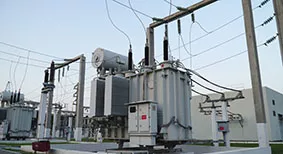
Discover the critical DGA patterns that reveal transformer health issues before catastrophic failure. Learn to recognise early warning signs and take proactive action.
Transformer failures don't happen overnight. These critical assets send warning signals long before catastrophic breakdown occurs, but recognising these early indicators requires systematic monitoring and expertise. Understanding these warning signs can help you prevent costly failures, extend asset lifespan, and maintain operational continuity.
The key lies in monitoring dissolved gas analysis (DGA) patterns and other operational parameters that reveal developing faults. Modern monitoring technology enables continuous surveillance of these critical indicators, providing the actionable insights needed for proactive maintenance decisions.
1. Rising Acetylene Levels Indicate High-Temperature Faults
Acetylene (C2H2) serves as your most critical early warning indicator. This gas forms when oil temperatures exceed 700°C, signalling severe internal faulting. Even trace amounts of acetylene demand immediate attention.
Normal acetylene levels should remain below 1-2 ppm. When concentrations reach 10 ppm or higher, you face a potential emergency situation. The Duval Triangle methodology classifies acetylene presence as indicative of high-energy arcing or discharge activity within your transformer.
Monitor acetylene trends rather than single measurements. A steady upward trend over several months indicates progressive fault development, even when absolute values remain relatively low. This pattern provides crucial lead time for maintenance planning.
2. Hydrogen Generation Points to Stray Gassing or Partial Discharge
Hydrogen (H2) production occurs during multiple fault conditions, making it an essential diagnostic parameter. Low-level hydrogen generation might indicate normal thermal stress, whilst rapid increases suggest partial discharge or stray gassing events.
Baseline hydrogen levels typically range from 50-100 ppm in healthy transformers. Concentrations exceeding 150 ppm warrant investigation. More importantly, hydrogen generation rates above 100 ppm per month indicate active fault progression.
Correlate hydrogen levels with load patterns and ambient temperature variations. Seasonal fluctuations are normal, but persistent increases independent of external factors signal internal deterioration.
3. Moisture Content Reveals Paper Insulation Degradation
Water content in transformer oil directly impacts dielectric strength and accelerates insulation aging. Moisture levels above 20 ppm in mineral oil indicate potential seal failures or paper deterioration.
Paper insulation degradation produces both moisture and carbon dioxide. This dual signature helps distinguish between external moisture ingress and internal aging processes. Rising moisture alongside increasing CO2 levels confirms paper breakdown.
Temperature significantly affects moisture solubility in oil. Always evaluate moisture readings against oil temperature to determine actual saturation levels. Supersaturated conditions create immediate flashover risks.
4. Ethylene and Methane Ratios Reveal Thermal Stress Patterns
Ethylene (C2H4) and methane (CH4) production indicates different temperature ranges of thermal faulting. Methane forms at temperatures above 150°C, whilst ethylene requires temperatures exceeding 350°C.
The ratio between these gases provides diagnostic insight into fault severity. High methane with low ethylene suggests moderate thermal stress. Elevated ethylene levels indicate more severe thermal conditions requiring urgent attention.
Track these ratios over time rather than focusing on absolute values. Changing ratios reveal fault progression even when individual gas concentrations remain stable.
5. Gas Level Rates of Change Override Absolute Concentration Limits
Gas level rates of change often provide more actionable intelligence than static concentration readings. A transformer with an increasing rate of change in any fault gas may reach critical levels within weeks or months.
Check rates of change at least monthly for all key gases. Increasing rates of change should be investigated immediately and compared to other transformer health parameters to determine whether fault conditions are accelerating fault. This approach enables proactive intervention before reaching emergency thresholds.
Seasonal corrections improve rate calculations accuracy. Factor in load variations and temperature cycles when establishing baseline gas levels for your specific transformers.
Take Control of Your Transformer Health Monitoring
You have identified the critical warning signs; now implement the definitive solution for asset reliability.
Move from reactive detection to a unified, proactive maintenance ecosystem. Contact our team today to find out how you can safeguard your infrastructure against catastrophic failure.


