10 MVA Transformer Maintenance Strategies
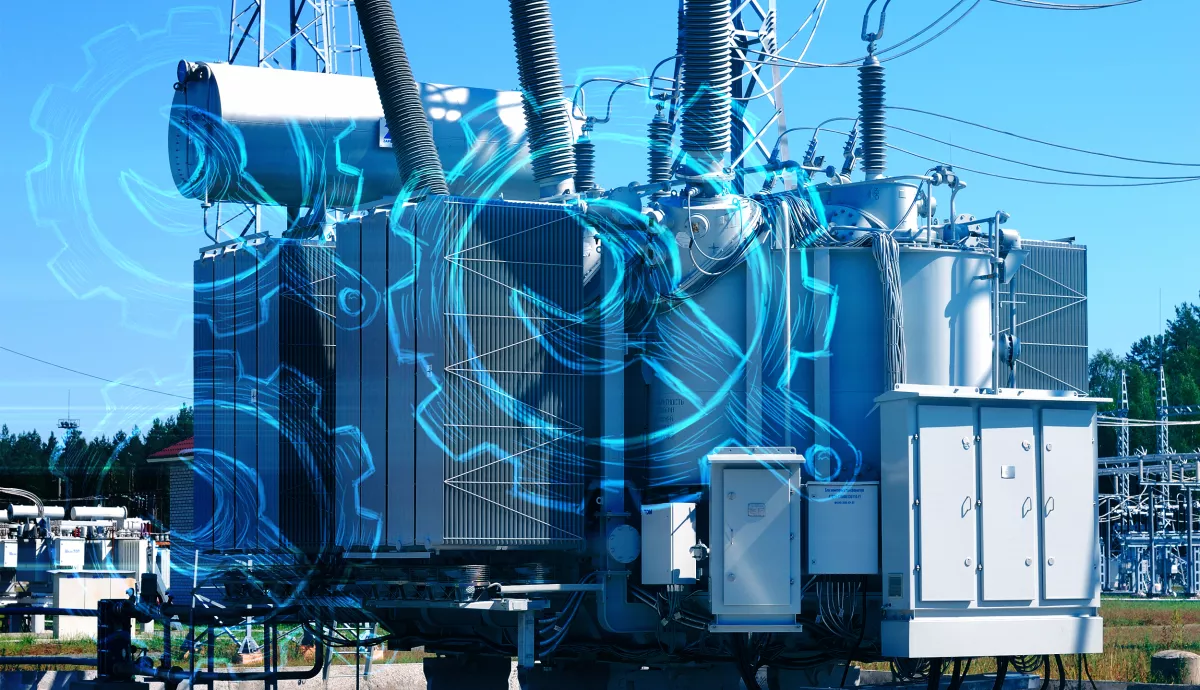
When you operate a 10 MVA transformer, your maintenance strategy directly impacts system reliability, operational costs, and asset longevity.
Your transformer serves as a critical link in power distribution networks, whether supporting industrial operations, renewable energy integration, or infrastructure systems.
The maintenance approach you choose determines not only equipment performance but also your ability to anticipate and prevent costly failures.
What Are the Main Types of Maintenance Strategies?
Maintenance strategies range from reactive repairs after a failure to proactive methods designed to prevent issues before they occur. Understanding these approaches allows you to select the most effective one for your operational needs.
- Reactive Maintenance: You fix equipment only after it breaks down. This strategy has a low upfront cost but leads to higher long-term expenses and significant downtime. It is suitable only for non-critical, low-cost assets.
- Preventive Maintenance (PM): You perform scheduled maintenance based on time or usage. This extends equipment life but risks wasting resources if performed too often or invites failure if scheduled too infrequently.
- Condition-Based Maintenance (CBM): You use sensors to monitor equipment conditions like temperature and vibration. Maintenance occurs only when these sensors detect signs of deterioration, requiring an initial investment in technology and training.
- Predictive Maintenance (PdM): You analyse data trends with machine learning to forecast failures. This approach reduces unexpected downtime but requires extensive data and advanced analytical tools.
- Prescriptive Maintenance (RxM): You use AI not only to predict failures but also to recommend specific actions to prevent them. It has a high initial cost but delivers superior efficiency and reliability.
What Is the Difference Between CBM, PdM, and RxM?
Understanding the distinctions between CBM, PdM, and RxM is crucial for selecting the right proactive approach for your assets.
-
Data Usage:
CBM: Monitors equipment against predefined thresholds. For example, maintenance is triggered when the temperature exceeds a set limit.
PdM: Uses trend analysis and machine learning to predict when future failures are likely to occur.
RxM: Leverages AI to recommend specific preventive actions based on predictive data.
-
Actionability:
CBM: Alerts you when a condition reaches a critical threshold.
PdM: Estimates when equipment might fail, allowing you to plan interventions.
RxM: Provides you with specific instructions to prevent or address impending failures.
-
Complexity and Cost:
CBM requires a lower investment compared to PdM and RxM. RxM is the most complex and costly, as it relies on advanced technologies to deliver actionable recommendations.
Which Maintenance Strategy Is Best for My 10 MVA Transformer?
The ideal maintenance strategy depends entirely on the transformer's application. Below, we outline five distinct scenarios to help you determine the best fit.
Reactive Maintenance: Emergency Backup Transformer in a Commercial Building
- Application: A 10 MVA transformer used as a backup for building services during a primary power failure.
- Strategy: You perform maintenance only after a failure. Since the transformer is rarely used, you defer maintenance until a fault occurs, carrying out repairs when it fails during an emergency.
- Pros: Low upfront costs and simple implementation.
- Cons: High risk of downtime when the transformer is needed unexpectedly, coupled with costly emergency repairs.
Preventive Maintenance: Transformer in a Small Manufacturing Plant
- Application: A transformer that supplies power to production equipment in a factory.
- Strategy: You schedule maintenance at regular intervals, regardless of the transformer's condition. This includes annual inspections and standard tests for insulation, turn ratio, winding resistance, and oil breakdown.
- Pros: Reduces unexpected failures and extends equipment lifespan.
- Cons: May lead to unnecessary maintenance and planned operational disruptions.
Condition-Based Maintenance (CBM): Transformer in a Data Centre
- Application: A transformer that provides uninterrupted power to critical data centre operations.
- Strategy: You base maintenance on real-time monitoring of operating conditions. Sensors track oil moisture, temperature, and partial discharges, and you perform maintenance only when these indicators surpass safe thresholds.
- Pros: Eliminates unnecessary work by ensuring maintenance is done only when needed.
- Cons: Requires investment in advanced monitoring equipment and trained personnel to interpret the data.
Predictive Maintenance (PdM): Transformer in a Renewable Energy Plant
- Application: A transformer that steps up voltage for power transmission from a solar farm to the grid.
- Strategy: You use data analytics and predictive modelling to forecast failures. Partial Discharge monitoring, Dissolved Gas Analysis (DGA), and machine learning algorithms can predict potential insulation issues, allowing your maintenance teams to act before a breakdown.
- Pros: Reduces unexpected failures and lowers long-term maintenance costs.
- Cons: High initial setup costs and the need for complex data analysis capabilities.
Prescriptive Maintenance (RxM): Transformer in a High-Speed Rail Network
- Application: A transformer that powers railway systems requiring continuous and reliable operation.
- Strategy: You use advanced analytics to receive actionable maintenance recommendations. For example, data analysis might suggest reducing transformer load during peak times and optimising cooling systems to prevent overheating.
- Pros: Maximises reliability and improves asset utilisation through informed decisions.
- Cons: High technology investment and complexity in implementation.
Comparison of Maintenance Strategies
|
Strategy |
Advantages |
Disadvantages |
Application Example |
|
Reactive |
Low initial cost, simple |
High downtime, costly repairs |
Emergency backup transformer |
|
Preventive |
Reduces failures, extends life |
May involve unnecessary work |
Manufacturing plant transformer |
|
CBM |
Timely intervention, cost-effective |
Requires monitoring systems |
Data centre transformer |
|
PdM |
Minimises downtime, improves reliability |
High setup cost, complex analysis |
Solar farm transformer |
|
RxM |
Actionable solutions, enhances reliability |
High investment, complex tools |
High-speed rail network transformer |
How Do Maintenance Strategy Costs Compare?
|
Strategy |
Initial Cost |
Ongoing Cost |
Long-Term Savings |
|
Reactive |
Low |
High |
Low |
|
Preventive |
Moderate |
Moderate |
Moderate |
|
CBM |
High |
Moderate |
High |
|
PdM |
High |
Low |
High |
|
RxM |
Very High |
Moderate |
Very High |
Conclusion
A single 10 MVA transformer can serve various applications, each demanding a unique maintenance approach. While reactive maintenance might suffice for infrequently used backup units, critical systems in data centres or transportation networks require advanced strategies like predictive or prescriptive maintenance.
Your choice of strategy should be guided by asset criticality, operational environment, and budget constraints. Implementing the right maintenance approach will help you prevent failures, reduce operational costs, and ensure the long-term reliability of your equipment.
To implement a robust Condition-Based or Predictive Maintenance strategy, you need reliable monitoring solutions.


