Digital Reporting: The Competitive Edge for Low-Voltage Electrical Businesses
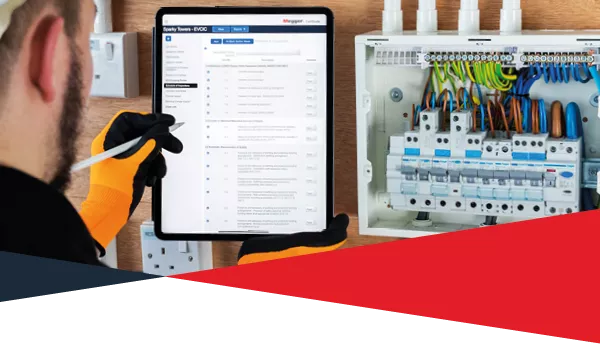
Paperwork isn’t just a hassle — it’s holding the industry back. With compliance standards like BS 7671 tightening, clients expecting instant updates, and project timelines shrinking, the ability to deliver clear, accurate, and professional reports is no longer optional.
Digital reporting transforms how low-voltage electrical work is documented, delivered, and stored. It cuts admin time, reduces costly errors, and builds the kind of trust that wins repeat contracts. Whether you’re on the tools or running the business, it’s becoming a key competitive advantage.
What Do We Mean by Digital Reporting?
In its simplest form, digital reporting means using software to create, store, and share reports — instead of relying on handwritten notes or printed forms. For electricians, that could be recording test results on a tablet, ticking off compliance checks in an app, or generating a certificate immediately after installation or maintenance. Reports are stored securely in the cloud, so nothing gets lost, and you can access them anytime, anywhere.
Why It Matters Now
Stricter Compliance Standards
The most recent amendments to BS 7671 and increased focus on Electrical Installation Condition Reports (EICRs) mean more frequent, more detailed documentation. Missing information or small errors can now hold up approvals or even result in failed inspections.
Rising Client Expectations
Facility managers, developers, and commercial clients increasingly expect digital records they can store, search, and share easily — often as part of the tender requirements. Contractors who can provide reports instantly have a clear edge.
Competitive Pressure
Early adopters of digital reporting are already winning more tenders. In one recent case study, a contractor secured a three-year maintenance contract because their bid demonstrated faster, cleaner, and fully compliant reporting compared to competitors.
The Payoff for Your Business
- Compliance Without the Stress
Built-in templates and automated data checks mean reports meet BS 7671 and other relevant standards before they’re even sent. One medium-sized contractor reduced non-compliance rework by 40% in the first six months of switching to digital reporting.
- Faster Project Closeouts
Time is money — and delays in producing certificates often delay payment. If a paper-based completion certificate takes 15 minutes to fill and file, moving digital can reclaim up to 10 hours per engineer per month. Certificates can be sent to the client before your team even leaves site, accelerating invoicing.
- Data at Your Fingertips
Need to find a test result from three years ago for a warranty claim? With digital reporting, it’s a search away. Reports are stored securely in the cloud, backed up, and accessible from any authorised device. That’s peace of mind for both the contractor and the client.
- A More Professional Image
Well-formatted, branded reports tell clients you take quality and efficiency seriously. In competitive markets, these “small” details influence whether you get repeat business or land that next major contract.
Addressing the Common Objections
“It’s too expensive.”
Switching to digital reporting is an investment — but most businesses see ROI within months. You’re effectively adding an extra day’s productivity every month without hiring new staff, simply by cutting admin time and avoiding rework.
“Our team isn’t tech-savvy.”
Modern platforms are built for field use. Short, targeted training sessions and easy-to-follow workflows mean even paper-focused electricians quickly see the value — and often become advocates. The aim isn’t to turn everyone into IT experts — just to show how the tool can make their day easier and get jobs signed off faster.
“It won’t fit our workflow.”
The right platform integrates with your existing processes and equipment, minimising disruption. Many firms start with digital reporting for specific job types or one project team, then expand once the benefits are clear to everyone involved.
Getting Started — A 30-Day Plan
Week 1 – Identify the Pain Points
Where is paperwork slowing you down? Which certificates or reports go missing most often? How long does it take to find a report when a client asks for one?
Week 2 – Select the Right Platform
Look for solutions that:
- Meet BS 7671 and other compliance requirements.
- Integrate with your test equipment for direct data transfer.
- Offer mobile reporting for field teams.
- Store data securely in the cloud with controlled access.
(Platforms like CertSuite tick all of these boxes.)
Week 3 – Train the Team
Run a short, practical session. Focus on showing how the platform solves their day-to-day frustrations, not just the features. The aim isn’t to turn everyone into IT experts — just to make reporting quicker, simpler, and less error-prone.
Week 4 – Review and Optimise
Collect feedback from engineers, admin staff, and clients. Identify small process tweaks to make reporting even smoother before rolling it out to more jobs or teams. Keep tracking how quickly reports are completed, how often they’re returned for correction, and how clients respond. These small insights will help you fine-tune the process.
Looking Ahead — Automation and Beyond
The next wave of reporting technology is already taking shape:
- Integration with test equipment — results feed directly into the right certificate, eliminating manual data entry.
- IoT-enabled devices — sensors automatically log and upload results in real time. Imagine a sensor logging your test results the moment they’re taken and uploading them to your reporting platform — no manual entry, no risk of transcription errors.
- AI-assisted compliance checking — platforms flag potential non-compliance before you hit “send.”
- Sustainability benefits — moving away from paper reduces waste and supports client ESG goals.
Contractors who adopt digital reporting now will find it far easier to adapt as these innovations become the norm.
Bottom Line
Digital reporting isn’t just about ditching paper. It’s about:
- Winning tenders with faster, cleaner documentation.
- Protecting your margins by avoiding rework and delays.
- Building a professional image that keeps clients coming back.
Don’t wait until lost paperwork or a compliance failure costs you a contract. Start now and position your business to work faster, smarter, and with fewer headaches.
Ready to see what digital reporting can do for your business?
With our practical guide, you’ll learn how CertSuite Installation can save hours on paperwork, cut compliance errors, and keep every job organised — so you spend less time on admin and more time onsite.


