What Changes When Primary Injection Testing Becomes Software-Led
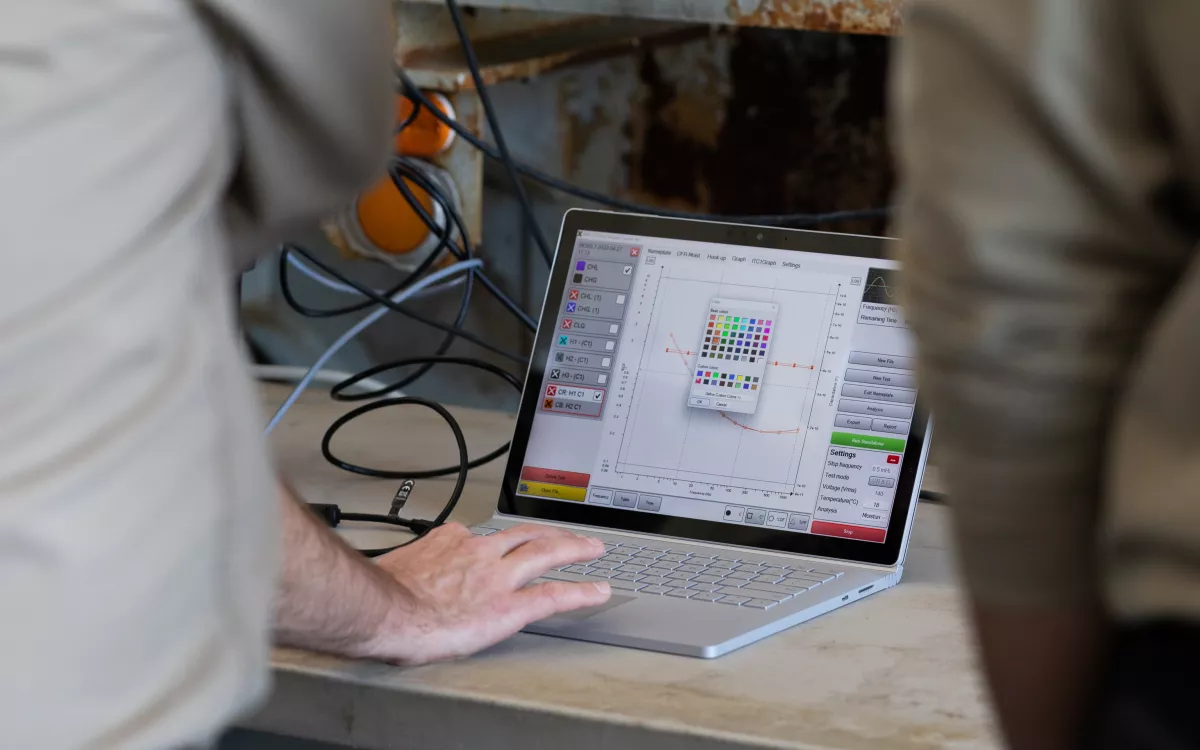
When outage windows are tight, the testing process needs to be clear, controlled, and efficient. With more traditional high-current test sets, finding the required output current can take time, manual adjustment, and operator experience before the real testing even begins.
Software-led primary injection testing changes that. Instead of relying on physical dials and manual variac adjustment, SPI2000 allows the user to enter the required current and automatically generate and regulate it. That helps teams spend less time finding the output they need and more time validating breaker performance.
Why Manual Adjustment Slows The Process
Traditional high-current testing often depends on physical controls and manual current adjustment. That approach can work, but it places more of the process in the hands of the operator.
In practice, that can mean:
- more time spent finding the required current
- more dependence on operator experience
- more setup friction during tight outage windows
- less consistency from one test to the next
For field teams working to commissioning or maintenance deadlines, that extra effort can quickly eat into the time available for validation.
What Software-Led Testing Changes
SPI2000 replaces manual current hunting with software-led, set-current functionality. The user enters the target current, and the system finds and injects it automatically. The SPI system also regulates the output current during the test, helping maintain the requested current as conditions change.
That gives users a more controlled way to test because it helps:
- reduce manual intervention
- shorten setup time
- support more consistent execution
- keep the focus on breaker behaviour rather than output adjustment
This is one of the biggest practical differences between a traditional setup and a software-led one.
More Control Over Breaker Testing
Software-led testing is not only about reaching the right current more quickly. It also supports a more structured approach to breaker testing.
The SPI2000 platform supports long time, short time, instantaneous, and ground fault testing. It can also use breaker settings and time-current curve data to support pass/fail assessment and reporting. That gives users a clearer framework for validating whether a breaker is operating within the expected range.
Teams can work with testing logic that is more closely aligned to the breaker under test, helping improve confidence in the result and support more consistent decision-making.
Clearer Reporting Supports Better Decisions
Testing becomes more valuable when the results are easier to review, store, and share.
SPI2000 works with Megger’s PowerDB software and STVI interface to support automated or manual testing, TCC-based workflows, and report generation. Test results can be saved, stored, and reviewed later, helping teams compare results over time and build a clearer picture of breaker condition.
That matters because breaker testing is not only about completing a task. It is also about understanding what the result means. Clearer records and pass/fail reporting help support decisions around maintenance, mechanical work, or replacement where needed.
Why This Matters For Field Teams
For technicians and supervisors working in the field, software-led testing helps reduce unnecessary effort in the process. It gives them a more direct way to reach the required current, apply the right test logic, and capture clearer results.
That supports three practical improvements:
- less time spent on manual setup
- more consistent testing across jobs
- clearer evidence to support the next decision
Software-led primary injection testing helps teams focus less on managing the equipment and more on proving breaker performance with confidence.
What This Means In Practice
SPI2000 combines software-led current control, breaker-specific testing support, and clearer reporting in one platform. For teams carrying out primary injection testing in the field, that creates a more practical and more consistent way to validate breaker performance.
See how SPI2000 works
Discover a more practical and more consistent way to validate breaker performance.


