Why Compressed Air Leaks Cost More Than You Think
Compressed air is often described as the fourth utility in industrial environments, alongside electricity, gas and water. It powers tools, controls processes and underpins day-to-day production. Yet unlike other utilities, compressed air losses are rarely visible on a meter — which is why they are so often underestimated.
Industry benchmarking shows that many industrial sites lose around a quarter of the compressed air they generate through leaks. Well-managed systems typically keep leakage levels to 10% or less, but in poorly maintained facilities, losses of 35% or more are common — with extreme cases reaching 50–60%. The issue is not that leaks are unusual; it is that they are easy to live with. A faint hiss rarely feels urgent, but over time those losses translate into serious and avoidable cost.
This article looks at the true cost of compressed air leaks, examining both the direct energy waste and the wider operational, equipment and environmental impacts that are often overlooked.
The Direct Cost: Wasted Energy and Higher Bills
The most immediate and measurable cost of compressed air leaks is energy waste. Every leak forces compressors to run longer and cycle more frequently to maintain system pressure, driving up electricity consumption.
Compressed air is inherently expensive to produce. From the power drawn at the wall socket to the usable air delivered at the point of use, overall system efficiency is typically only around 10–15%. That means even small leaks waste a disproportionate amount of electrical energy.
To put this into context, consider a system operating at around 7 bar(g). A 3 mm leak — roughly the diameter of a matchstick — can cost between £2,600 and £10,000 per year in wasted electricity, depending on compressor efficiency and energy tariffs. Even a much smaller 1 mm “pin-hole” leak can still cost around £300 per year.
Crucially, leak cost increases rapidly with size. Air loss rises roughly in proportion to the square of the leak diameter, meaning that what appears to be a minor defect can have a major financial impact. Multiply this across multiple connections, hoses and fittings, and it becomes clear how leaks quietly inflate operating costs month after month.
Indirect Costs: The Hidden Impact on Operations and Equipment
While higher energy bills are often the first concern, the indirect effects of compressed air leaks can be even more damaging to operational performance and reliability.
Reduced Equipment Performance and Shortened Lifespan
Leaks reduce available system pressure, and even modest pressure drops can have a noticeable impact. A 1 bar reduction in pressure can cut pneumatic tool power by around 14%, while increasing cycle times by close to 9% in some applications. These losses often show up as slower production, inconsistent results or reduced output quality.
At the same time, compressors working harder to compensate for leaks experience increased mechanical stress. Motors, bearings and seals wear more quickly, driving up maintenance requirements and shortening the usable life of the equipment.
Increased Downtime and Disruption
Unstable pressure caused by leaks can also trigger unexpected production interruptions, particularly in processes that depend on consistent pneumatic control. Low-pressure events linked to air system issues account for a measurable proportion of compressed-air-related downtime.
As components wear faster under sustained load, the risk of unplanned compressor failures increases — bringing with them emergency repairs, production delays and knock-on effects across the operation.
Safety and Environmental Concerns
Leaks contribute to higher background noise levels in industrial environments. A 3 mm leak at typical operating pressure can generate 85–88 dB(A) at one metre, placing it firmly in the range where hearing protection may be required and making it harder to detect other abnormal sounds.
From an environmental perspective, wasted compressed air directly increases a site’s carbon footprint. Using current UK grid conversion factors, a continuous 100 kW waste load from compressed air losses equates to roughly 186 tonnes of CO₂e per year — undermining sustainability goals and energy-management initiatives.
Taking Control: A Proactive Approach to Leak Management
The encouraging reality is that compressed air leaks are one of the most cost-effective energy losses to address in an industrial facility.
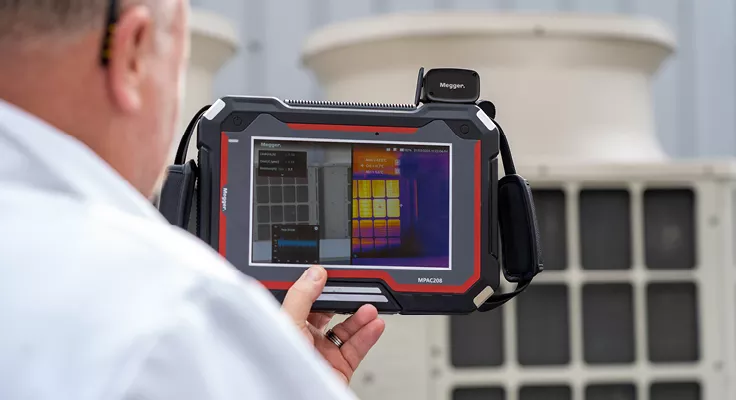
Modern leak detection methods, such as ultrasonic acoustic detectors, allow maintenance teams to pinpoint leaks accurately — even in noisy production areas where traditional listening methods are ineffective. These tools detect the high-frequency sound generated by escaping air, making leaks visible long before they become operational problems.
Facilities that see lasting results treat leak management as a continuous process rather than a one-off exercise. Regular surveys, combined with a simple tag-and-repair system, ensure that leaks are documented, prioritised and fixed systematically. Importantly, addressing leaks can also reduce the temptation to raise system pressure — a practice that typically increases energy consumption by around 7% for every additional bar.
For maintenance and facilities managers, championing a structured leak management programme can deliver rapid payback, often measured in months, while improving system stability and long-term reliability.
Conclusion
Compressed air leaks are far more than a minor maintenance irritation. They represent a significant and ongoing financial drain, increasing energy costs while quietly affecting productivity, equipment health, safety and environmental performance.
By understanding both the direct cost of wasted electricity and the indirect costs linked to downtime, wear and inefficiency, it becomes clear that leaks deserve strategic attention — not just reactive fixes.
A proactive approach to compressed air leak management does more than cut utility bills. It improves operational resilience, extends equipment life and supports safer, more sustainable facilities.
To better understand the potential impact on your own site, download our free infographic: “The True Cost of a Compressed Air Leak.”
It breaks down the numbers clearly and helps you build a compelling business case for proactive leak detection and repair.


