Why Grid Visibility Matters: The Hidden Faults That Cost Utilities Millions
Hidden faults in electrical grids represent one of the most costly and challenging operational issues facing utilities worldwide. These undetected problems silently compromise system reliability, drain resources, and ultimately impact millions of customers. As power networks become increasingly complex and demand continues to rise, the ability to identify and address these hidden threats has never been more critical.
Grid visibility transforms reactive maintenance into proactive system management. By implementing comprehensive monitoring solutions, utilities can detect faults before they cascade into major outages, protecting both infrastructure investments and customer satisfaction.
Why do hidden faults occur in electrical grids?
Hidden faults develop through various mechanisms within electrical networks, often remaining undetected until they cause significant system disruptions. These faults typically emerge from equipment degradation, environmental factors, or system imbalances that fall below traditional protection thresholds.
High impedance faults represent a particularly challenging category, as they produce fault currents too small for conventional protection systems to detect. Unlike bolted faults that immediately trigger protection mechanisms, high impedance faults can persist for extended periods, gradually weakening system components and creating conditions for larger failures.
Environmental factors contribute significantly to hidden fault development. Moisture ingress, temperature variations, and pollution deposits can degrade insulation systems over time. Tree growth near overhead lines creates intermittent contact scenarios that may not register as immediate faults but pose ongoing risks to system stability.
System loading imbalances and harmonic distortions can accelerate equipment wear beyond normal operational parameters. These conditions often develop gradually, making them difficult to identify through routine inspections or traditional monitoring approaches.
How much do hidden faults cost utilities globally?
The financial impact of hidden faults extends far beyond immediate repair costs, encompassing customer compensation, regulatory penalties, and lost revenue from prolonged outages. Unplanned outages cost utilities on average $10,000 per minute of outage time – so if a fault causes significant downtime, they could be looking at potentially millions in losses.
Customer interruption costs represent the largest component of hidden fault expenses. The System Average Interruption Duration Index (SAIDI) directly correlates with customer satisfaction and regulatory compliance metrics. Utilities face substantial penalties when reliability indices exceed acceptable thresholds, often resulting in millions of pounds in additional costs.
Equipment replacement expenses compound when hidden faults remain undetected. A failing transformer that could be repaired during scheduled maintenance may require complete replacement if the fault progresses to catastrophic failure. This reactive approach typically costs 3-5 times more than proactive maintenance strategies.
Lost productivity and economic impact on commercial and industrial customers create additional liability exposure. Manufacturing facilities, data centres, and critical infrastructure operations may seek compensation for production losses directly attributable to power quality issues stemming from hidden faults.
What technologies detect hidden faults most effectively?
Advanced sensor networks provide the foundation for comprehensive fault detection across modern electrical networks. Grid analytics systems integrate multiple data streams to identify patterns indicative of developing faults, enabling utilities to address issues before they impact system reliability.
Waveform analysis technologies excel at detecting high impedance faults and intermittent disturbances. These systems analyse voltage and current signatures in real-time, identifying anomalies that traditional protection schemes might miss. By examining frequency domain characteristics and transient behaviours, utilities can pinpoint fault locations with unprecedented accuracy.
Distributed monitoring platforms deploy sensors throughout the network to create comprehensive visibility into system conditions. These networks capture data from multiple points simultaneously, providing the spatial awareness necessary to distinguish between normal operational variations and fault-related disturbances.
Machine learning algorithms enhance fault detection capabilities by recognising complex patterns within system data. These intelligent systems learn from historical fault signatures and operational conditions, continuously improving their ability to identify emerging problems before they escalate into major failures.
How has Kenya transformed its grid monitoring approach?
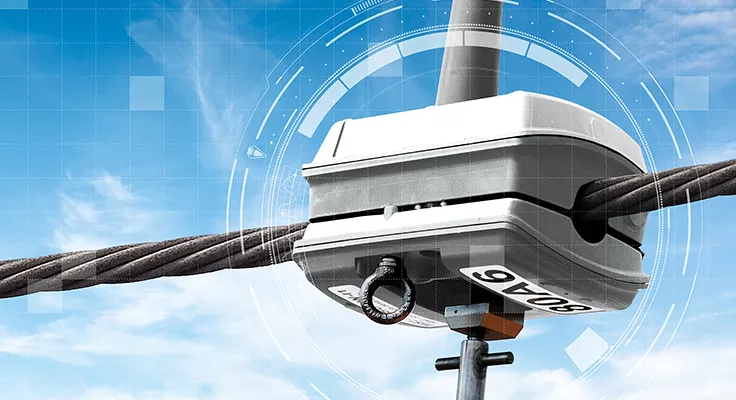
Kenya Power's modernisation initiative demonstrates the transformative potential of advanced grid monitoring technologies. Partnering with Megger and Amotech Africa, the utility implemented MS5000 grid analytics sensors across its 11kV and 33kV distribution networks, fundamentally changing how faults are detected and resolved.
The manual fault-finding process previously required days of systematic sectionalising across Kenya's challenging terrain. Teams would methodically isolate line sections, relying on visual inspections and educated guesswork to locate problems. This approach left customers without power for extended periods whilst technical teams traversed difficult geographical conditions.
Real-time monitoring capabilities now provide immediate fault detection and localisation. The MS5000 sensors integrate seamlessly with existing infrastructure, delivering continuous visibility into network conditions. This transformation enables Kenya Power to respond to faults as they occur, rather than discovering them through customer complaints or routine inspections.
Predictive analytics capabilities represent the next evolution in Kenya's grid management strategy. By analysing historical data patterns and real-time system conditions, operators can now identify potential problems before they impact customers. This proactive approach significantly reduces both planned and unplanned outages.
Training programmes ensure sustainable implementation of advanced monitoring technologies. Kenya Power's operational teams received comprehensive instruction on interpreting sensor data and executing preventive maintenance actions. This knowledge transfer creates long-term capability for managing sophisticated grid analytics systems.
What results has Kenya achieved from improved grid visibility?
The implementation of advanced monitoring systems has delivered measurable improvements across multiple operational metrics. Kenya Power aims to reduce its SAIDI from 100 hours to 50 hours, representing a 50% improvement in system reliability through enhanced fault detection and response capabilities.
Response times for fault resolution have decreased dramatically since sensor deployment. The automated notification system alerts operators immediately when faults occur, eliminating the delay associated with customer reports or scheduled inspections. This rapid response capability minimises outage duration and customer impact.
Customer satisfaction metrics reflect the operational improvements achieved through comprehensive grid monitoring. Shorter outage durations and fewer unexpected interruptions enhance the overall customer experience, building trust in the utility's service delivery capabilities.
Operational efficiency gains extend beyond fault response to include optimised maintenance scheduling. By identifying equipment conditions before failures occur, Kenya Power can coordinate maintenance activities during planned outages, reducing both customer disruption and operational costs.
The success of Kenya's modernisation programme positions the country as a regional leader in smart grid implementation. Neighbouring utilities are examining Kenya's approach as a model for their own infrastructure upgrades, demonstrating the broader impact of comprehensive grid visibility solutions.
How can utilities eliminate hidden faults proactively?
Implementing comprehensive monitoring ecosystems provides the foundation for proactive fault management. Utilities must deploy sensors throughout their networks to create complete visibility into system conditions, enabling early detection of developing problems before they impact customers.
Predictive maintenance programmes leverage monitoring data to optimise maintenance schedules and resource allocation. By analysing equipment health indicators and operational patterns, utilities can address potential issues during planned outages, avoiding costly emergency repairs and customer interruptions.
Integration with existing infrastructure ensures seamless implementation of advanced monitoring technologies. Modern sensor systems support standard communication protocols, enabling utilities to enhance their current SCADA and DMS platforms without requiring complete system replacements.
Training and capability development programmes ensure successful technology adoption. Utility personnel must understand how to interpret monitoring data and execute appropriate maintenance actions. This knowledge transfer creates sustainable operational improvements beyond the initial technology deployment.
Ready to Transform Your Grid Visibility?
Hidden faults continue to challenge utilities worldwide, but advanced monitoring technologies provide proven solutions for addressing these costly problems. Kenya Power's success demonstrates how comprehensive grid visibility can transform operational effectiveness whilst improving customer satisfaction.
The MS5000 grid analytics platform offers utilities the tools necessary to detect, identify, and locate faults before they impact customers. By implementing real-time monitoring capabilities, utilities can transition from reactive maintenance to proactive system management, protecting both infrastructure investments and customer relationships.
Watch the video series showcasing Megger and Amotech's collaboration with Kenya Power to see these technologies in action. For utilities seeking to replicate Kenya's success, download the comprehensive case study detailing the implementation process and measurable results achieved through advanced grid monitoring.


