Still reconnecting mid-test? One setup is all you need
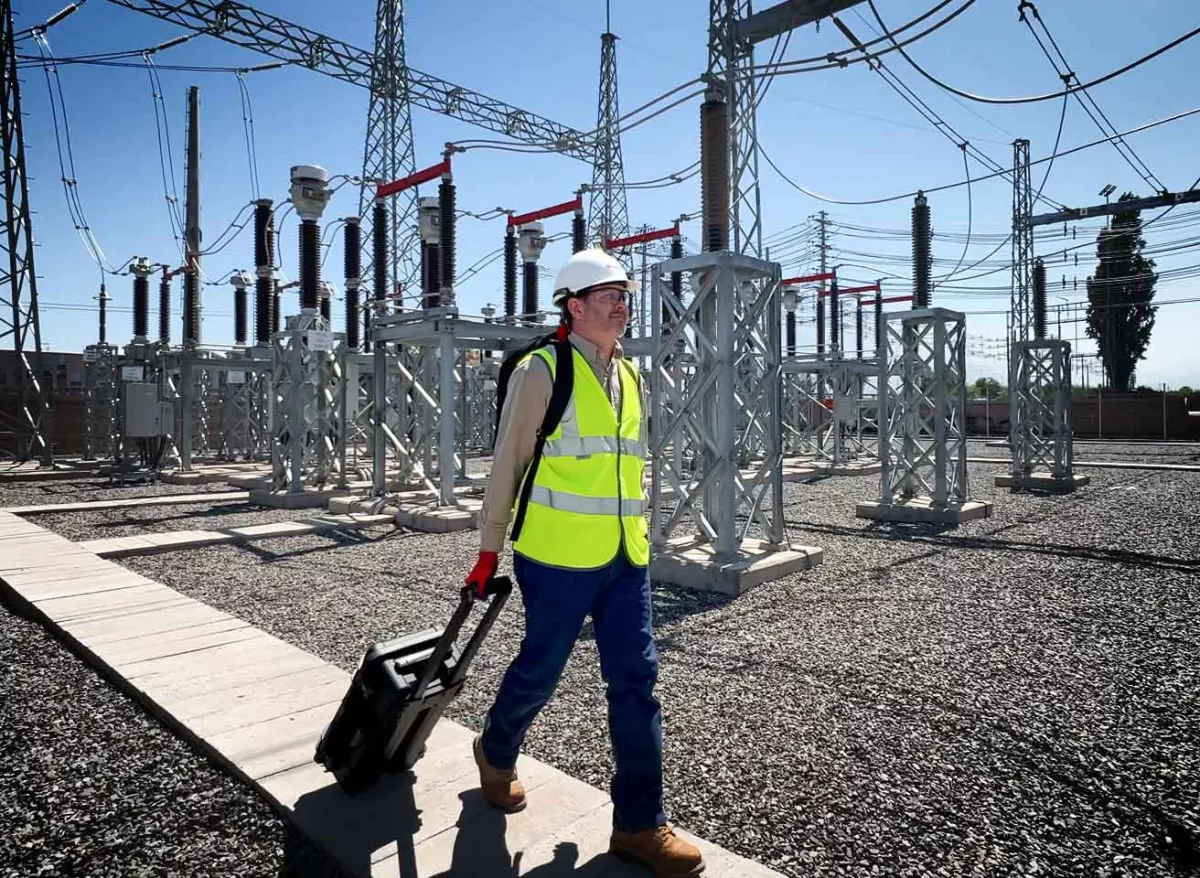
But if your team still reconnects for each winding, that’s exactly what happens — three connection, three opportunities for error, and three times the risk.
It’s not efficient, consistent, or necessary.
Transformer testing doesn’t have to be this complicated — or this risky. If your test routine still involves multiple reconnections, you’re not alone. But the truth is: outdated setups are slowing you down and putting your team at unnecessary risk.
Let’s look at why setup has become the bottleneck — and how the right workflow (and one smart change) can fix it.
What multiple connections really cost
It’s easy to overlook. After all, setting up in stages is just “how it’s always been done.” But when you step back and look at the impact, the cost becomes clear:
- Increased exposure: Each reconnection increases the time technicians spend at height — on top of the transformer or in a bucket truck — raising the risk of slips, falls, and accidents.
- Time lost: Reconnecting takes time — not just once, but again and again across taps or phases.
- Inconsistent results: Different technicians wire things differently. Even small differences in setup can lead to big discrepancies in test data.
- Fatigue and frustration: Long days get longer when your process keeps adding steps.
One test shouldn’t take three connections. That’s not efficient — it’s outdated.
The setup bottleneck — and how to fix it
Here’s the truth: the hardest part of transformer testing isn’t the test. It’s the setup.
Even experienced crews get slowed down when the workflow forces them to repeat steps, check for errors, or reconnect cables multiple times. And it’s not just time — it’s trust in the result. If the setup’s off, the reading is too.
The good news? You don’t need to overhaul your team to fix the process. You just need a smarter way to set up.

Safer, simpler, smarter: One setup that does it all
This is exactly where tools like the MTOU3 Winding Ohmmeter come in.
Designed specifically for field crews, the MTOU3 lets you test all windings with just one connection — reducing risk, setup time, and human error in one move.
Key features that streamline setup:
- Single connection for all windings (no more reconnecting)
- Confirm vector checks your wiring before you run the test
- Automatic sequencing moves through the phases with no extra input
- Shared UI with TAU3 makes onboarding fast for any technician
For field techs, that means less climbing, fewer cables, and more confidence that the test was done right — the first time.
Want to see how it works? Explore the MTOU3.
Why one connection matters more than you think
Connecting once isn’t just a time-saver — it’s a smart way to reduce variability, protect equipment, and support safer workflows. With a single connection that enables dual excitation, crews stay grounded and consistent while transformers stay protected from repeat handling.
The more consistent your connection, the more confident you can be in the result. That’s why a streamlined, standardised process like the one enabled by MTOU3 is becoming essential for teams that need to work fast without compromising on reliability or safety.
Download the one-page setup guide
The easiest way to test smarter is to start with better setup. We’ve created a free one-page Setup Guide to help field crews:
- Follow a consistent, reliable process
- Minimise unnecessary movement and cable change
- Improve safety while reducing test time
- Avoid the small mistakes that lead to big retests
It’s short, simple, and built for use in the field.
Still using three connections for one test? Try one.
Download our field-ready Setup Guide to reduce mistakes, save time, and test with confidence — without climbing twice or guessing your connections.
Still have questions?
Contact our team of experts and find out more about safe and efficient transformer testing.


