5 Main Causes of Unplanned Downtime and How to Avoid Them
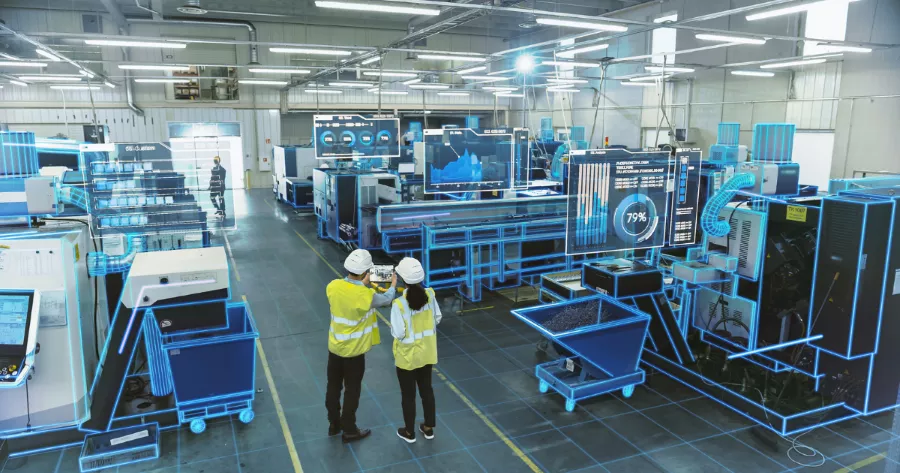
Unplanned downtime is one of the biggest threats to operational efficiency, productivity, and profitability in any business. Whether you're managing a food processing line or running a manufacturing plant, unexpected equipment failure can grind operations to a halt, resulting in significant losses. It’s estimated that downtime costs industrial manufacturers an average of £200,000 per hour.
While downtime can never be eliminated entirely, understanding its root causes can help mitigate risks and prevent disruptions before they occur. Below, we explore the five primary causes of unplanned downtime and offer actionable insights on how to address them effectively.
1. Lack of Preventive Maintenance Programs
One of the most significant contributors to unplanned downtime is the absence of a structured preventive maintenance strategy. When equipment isn’t regularly inspected, serviced, or calibrated, minor issues can escalate into major failures without warning.
Why this happens
- Insufficient maintenance schedules
- Over-reliance on reactive repairs
- Limited budget allocation for preventive care
How to reduce downtime in production
Implementing a preventive maintenance program provides a clear framework for regularly scheduled inspections. Use Condition-Based Monitoring (CBM) techniques, such as vibration analysis or insulation resistance testing, to address issues before they compromise equipment.
Example: Companies using tools like Megger Industrial Reliability can identify potential problems early, allowing for corrective actions that reduce equipment downtime significantly.
2. Human Error
While automated processes are becoming more prevalent, human error remains a leading cause of unscheduled downtime. Simple missteps like incorrect operational settings, poor assembly, or insufficient training can have massive repercussions.
Why this happens
- Insufficient training or oversight
- Misuse of equipment
- Lack of clear standard operating procedures (SOPs)
How to minimise it
Working with the right reliability partner eliminates the need for extensive employee training on diagnostics and SOP documentation. It’s all about shifting employee mindsets and enabling them to act on insights effectively.
Tools like Megger Industrial Reliability’s solutions do the heavy lifting, delivering actionable insights via intuitive dashboards so your team can focus on decision-making, not deciphering data.
3. Equipment Wear and Tear
All machinery has a finite lifespan, and wear-and-tear causes unplanned downtime if not properly monitored or addressed. Over time, components degrade, lubrication depletes, and parts misalign, causing breakdowns.
Why this happens
- Delayed replacement of critical parts
- Ignoring early signs like abnormal vibrations or noises
- Lack of real-time monitoring
How to stay ahead of wear and tear
Implement a predictive maintenance strategy using advanced diagnostic tools, such as electrical testing, vibration sensing, and thermography. Megger Industrial Reliability offers actionable insights into asset health, enabling you to plan repairs and replacements proactively.
Pro tip: Replace “run-to-failure” models with “predict-and-prevent” strategies to save costs over the long term.
4. Outdated Technology and Equipment
Relying on ageing equipment often leads to inefficiencies and breakdowns. Older machines lack advanced diagnostic features and may struggle to integrate with updated software systems, making it harder to predict and prevent faults.
Why this happens
- Budget constraints delaying upgrades
- Legacy equipment with limited diagnostics
- Lack of integration with modern monitoring systems
How to modernise without disrupting operations
Transitioning to newer equipment doesn’t have to happen all at once. Use scalable, OPEX-ready solutions, like Megger Industrial Reliability’s flexible packages, that integrate seamlessly with existing infrastructure and operations. Our tools and expert consultancy can bridge the gap between old systems and modern reliability standards.
Pro tip: Upgrade critical systems incrementally while retaining low-risk equipment for secondary operations – the right reliability partner can support from onsite surveys through to ongoing support to ensure your organisation’s reliability programme is effective
5. Insufficient Data and Analytics
Uninformed decision-making is often the result of inadequate access to real-time data and actionable insights. Without diagnostic insights, it’s nearly impossible to predict asset failures or optimise maintenance schedules effectively.
Why this happens
- Gaps in data collection or interpretation
- No centralised platform for reporting diagnostics
- Limited technical expertise in interpreting analytics
How to boost data-driven decisions
Leverage advanced industrial analytics platforms like those offered by Megger Industrial Reliability. Our cloud-based systems turn complex data into actionable insights, providing heatmaps, forecasts, and alerts tailored to your specific assets.
Want To Reduce Your Downtime Costs?
With a proactive approach and the right tools and expertise in place, you can turn downtime from a constant threat into a manageable exception.
Learn more about Megger Industrial Reliability and how we can help you reduce downtime costs today.


